Introduction
More homes and companies are turning to solar energy as an affordable and sustainable power option as electricity costs continue to rise. “How do solar panels actually work?” is still a question that many people have. Making educated judgments about renewable energy investments can be facilitated by having a solid understanding of the science underlying solar power.
Using cutting-edge photovoltaic (PV) technology, solar panels convert sunlight into usable electricity, reducing electricity costs and promoting a more environmentally friendly future for homes and businesses. We’ll go over how solar panels operate, their main parts, their advantages, and why they’re among the best long-term energy-saving investments in this tutorial.
Solar Panels: What Are They?
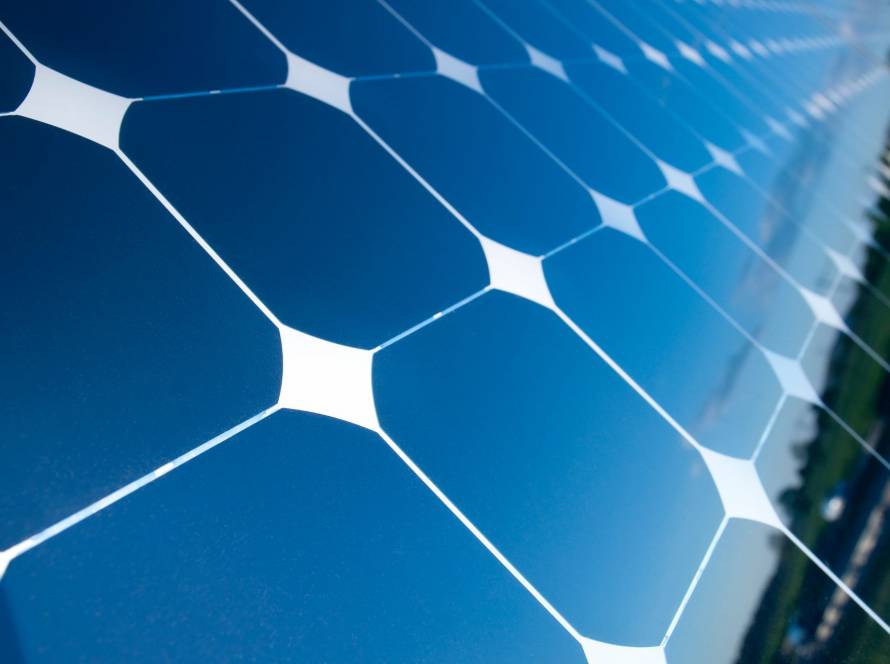
Solar panels are devices that use photovoltaic (PV) cells to turn sunlight into power. High-quality silicon, which produces direct current (DC) power when exposed to sunlight, is usually used to make these cells.
Contemporary solar panels are made to deliver dependable power for commercial, industrial, and residential uses with little upkeep.
In reality, how do solar panels operate?
The technique by which solar panels produce electricity is straightforward but incredibly effective.
Step 1: The Solar Panels Are Hit by Sunlight
Sunlight is absorbed by solar panels using photovoltaic cells. By capturing photons from the sun, these cells start the process of producing electricity.
Step 2: Direct Current (DC) Generation by PV Cells
Direct current (DC) power is produced when sunlight hits silicon cells, energizing the electrons.
The Reasons Solar Panels Are a Wise Investment
There are several financial and environmental benefits to installing solar panels.
Reduced Power Costs
Solar panels significantly lower monthly energy costs by reducing reliance on the grid.
Renewable and Clean Energy
One renewable and pollution-free energy source that lowers greenhouse gas emissions is solar energy.
Energy Self-Sufficiency
Energy security is increased, and growing utility bills are mitigated by producing your own electricity.
Long-Term Cost Savings
Solar panels usually provide savings for 25 years or more with little maintenance, even if the initial installation costs money.
The photovoltaic effect, in which light photons liberate electrons from silicon atoms to produce an electric current, is the foundation of a solar panel working principle.
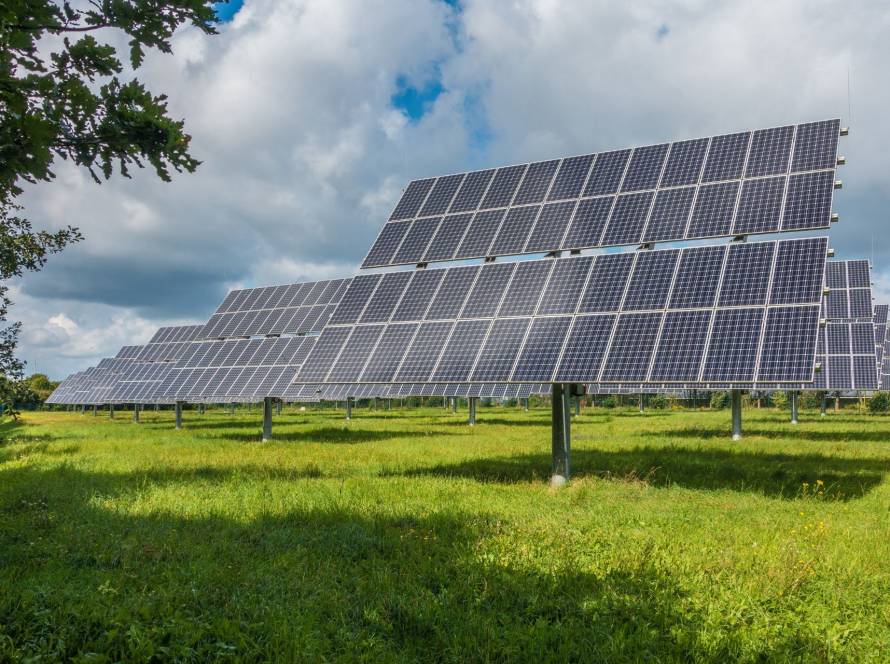
In a rooftop system, your home’s appliances are powered by electricity generated from solar panel to house wiring via cabling routes that go right to your main circuit breaker panel via an inverter.
Essential Elements of a Solar Power System
Gaining an understanding of each part enables you to evaluate how well the system works.
Solar Panels
Utilize photovoltaic technology to collect sunlight and produce DC electricity.
Inverter for Solar Power
Transforms DC power into AC power that can be used in homes and businesses.
Structure for Mounting
Ensures the best possible exposure to sunlight while firmly supporting solar panels on rooftops or ground-mounted systems.
The Net Meter
Measures the amount of electricity that is imported and exported from grid-connected systems.
Solar Power (Optional)
Stores extra solar energy for use at night or during blackouts, especially in off-grid and hybrid systems.
A solar inverter function is to transform the direct current (DC) electricity produced by solar panels into alternating current (AC) power that can power your home’s appliances and feed into the electrical grid.
The Advantages of Solar Panel Installation
Making the switch to solar energy has a number of long-term advantages.
Considerable Cost Reductions
By producing your own renewable energy, you can lower your electricity costs.
Eco-Friendly
Solar energy contributes to global sustainability initiatives by reducing carbon emissions.
Minimal Upkeep
Modern solar panels are designed to survive severe weather and require relatively little upkeep.
A rise in the value of properties
Due to their decreased operating expenses, homes with solar power systems are frequently more appealing to purchasers.
Factors Influencing the Performance of Solar Panels
The efficiency with which your solar panels produce electricity depends on a number of things.
Availability of Sunlight
In general, more sunlight leads to more power being produced.
Panel Effectiveness
Bifacial solar panels, TOPCon, and Mono PERC are examples of high-efficiency technologies that generate more electricity from the same roof area.
Roof Tilt and Orientation
Energy production is maximized with the right installation angle and, if appropriate, south-facing orientation.
The temperature
Although very high temperatures can marginally diminish efficiency, solar panels work best in direct sunshine.
Cleanliness
Maintaining optimal performance requires keeping panels clear of dust, leaves, and other debris.
How to Get the Most Out of Solar Energy Savings
Take into account these recommended practices to get the best return on investment.
Select Solar Panels with High Efficiency
Invest in high-end panels that operate better in low light and produce more energy.
Employ Solar Installers with Certification
Appropriate system design, electrical safety, and optimal efficiency are guaranteed by professional installation.
Track the Production of Energy
Track the production of electricity and spot performance problems early using intelligent monitoring systems.
Plan for Frequent Maintenance
Your solar power system’s longevity and efficiency can be increased with routine cleaning and inspections.
Typical Myths Regarding Solar Panels
Myth 1: Only Sunny Days Are Suitable for Solar Panels
Fact: Solar panels use indirect sunlight to continue producing electricity in cloudy conditions.
Myth 2: Solar Panels Need Ongoing Upkeep
Fact: The majority of systems just need regular inspections and sporadic cleaning.
Myth 3: The Cost of Solar Energy Is Too High
Fact: Solar energy is becoming more and more inexpensive because to government subsidies, financing choices, and long-term electricity savings.
Myth 4: When power is cut, solar panels stop functioning
Fact: For safety, standard on-grid systems shut down during outages. However, if built for that purpose, hybrid or battery-backed systems can continue to provide backup power.
Why Solar Energy Is Becoming More Popular Among Homeowners
More homes and businesses are installing rooftop solar systems due to increased electricity costs, government incentives, and growing awareness of renewable energy.
Using contemporary solar technology, households benefit from:
Reduced monthly electricity costs
Diminished carbon footprint
Long-term, dependable energy generation
An appealing return on investment
Increased self-sufficiency
Conclusion
It is evident why solar energy is changing how households and businesses produce electricity when one understands how solar panels truly operate. Solar panels lower electricity costs, boost energy independence, and promote a more sustainable future by using photovoltaic technology to transform sunlight into clean, renewable power.
Investing in a high-quality solar power system is a wise long-term choice, regardless of whether you’re planning a commercial solar project or a residential rooftop installation. Solar energy offers significant financial savings as well as environmental advantages because to cutting-edge panel technologies, effective inverters, and government incentives. Every sunbeam gets you one step closer to a cleaner and more economical energy future, from savings to sunshine.
Solar panel technology runs smoothly in the background, from photovoltaic cells that capture sunlight to inverters that power your home’s appliances. Pure sunlight transforms into clean electricity that passes through your circuit breaker, keeping your lights on while lowering your energy bills. It is easier than ever to make the switch from sunshine to savings.
Frequently Asked Question
1. How do solar panels generate electricity?
Solar panels use photovoltaic (PV) cells to convert sunlight into direct current (DC) electricity, which is then converted into alternating current (AC) by a solar inverter.
2. Do solar panels work on cloudy days?
Yes. Solar panels generate electricity from both direct and indirect sunlight, although energy production is lower during cloudy conditions.